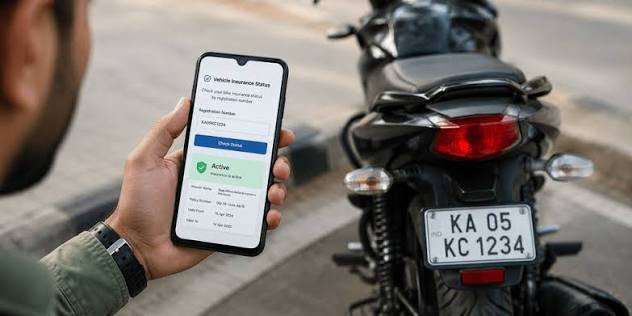
If your bike insurance has lapsed, you have no cover at all. Any accident, theft or damage during the gap becomes your own financial responsibility, and riding without valid insurance is an offence in India. The good news is that a lapse is fixable. Renewing quickly limits the damage, and you can often keep most of your No Claim Bonus if you act in time. Rules and penalty amounts are updated from time to time, so confirm current figures with your insurer or the transport authority.
You Lose All Protection Immediately
Motor insurance in India has no automatic grace period. The moment the policy expires, your cover stops, which means:
- Third-party liability: if you injure someone or damage their property, the insurer will not pay. You become personally responsible for the compensation, which can be very large for injury or death.
- Own damage: repairs to your bike after an accident, fire or flood come out of your pocket.
- Theft: if the bike is stolen, there is no claim to make.
- Personal accident cover: the owner-driver benefit lapses as well.
A claim for an event that happened after the expiry date will be rejected, even if you renew the next day.
Legal Consequences
Riding without valid third-party insurance is an offence under the Motor Vehicles Act. The penalty can include a fine and, in some cases, imprisonment, with higher penalties for repeat offences. Check the current amounts, since they have been revised before. Traffic police and automated cameras increasingly check insurance status digitally, so a lapse is easy to detect. In addition, the bike’s other documents, such as the pollution certificate, can be affected if insurance is not valid.
What Happens to Your No Claim Bonus
The No Claim Bonus, or NCB, is a discount you earn for each claim-free year, up to 50% on the own-damage premium. A lapse puts it at risk.
- If you renew within a short window after expiry, commonly up to 90 days, many insurers allow you to keep your NCB.
- Beyond that period, the NCB may reset to zero, and your next premium will be higher.
Because NCB can add up to a substantial saving over the years, renewing quickly protects real money.
Renewal After a Lapse Is Not Always Instant
When a policy is renewed after a break, insurers treat it as a break-in case.
- The insurer may require a physical or digital inspection of the bike to check its condition and record existing damage.
- The new policy may start only after the inspection and payment, so there can be a further gap in cover.
- Pre-existing damage found during inspection may not be covered.
- The premium can be higher, and some add-ons may need re-selection.
This is why renewing before expiry is simpler than renewing after.
What to Do If Your Policy Has Already Lapsed
- Stop riding the bike until you have a valid policy, since you are uninsured.
- Check the exact expiry date on your policy document or through the insurer’s website.
- Contact your insurer or compare quotes online to renew.
- Complete the inspection if asked, by uploading photos or using the insurer’s app.
- Pay the premium and download the new policy as soon as it is issued.
- Confirm the policy start time, since cover begins only from the time stated.
- Save a digital copy on your phone for quick access.
If you can’t renew with the same insurer, you can buy from another one, though the NCB transfer process then requires proof of your previous policy.
If an Accident Happens During the Lapse
If you have an accident while uninsured, you remain liable for third-party injury and property claims. You may also face legal proceedings and the cost of your own repairs. Any renewal done afterwards won’t cover the earlier event, and attempting to backdate a policy is not allowed. If you find yourself in this position, seek legal guidance and cooperate with authorities honestly.
How to Avoid a Lapse in the Future
- Set reminders: put the expiry date in your phone calendar a month in advance.
- Turn on auto-renewal: many insurers offer it, but check the amount and your payment method each year.
- Watch for insurer notices: SMS and email reminders arrive before expiry, so keep your contact details updated.
- Renew early: you can generally renew a few weeks before expiry without losing days of cover.
- Compare quotes: use the renewal period to look for a better price or add-ons.
- Consider a long-term plan: a multi-year third-party policy can reduce the chance of forgetting.
Special Situations
- New bikes: these must be insured on purchase, and long-term third-party cover is typically bundled.
- Second-hand bikes: make sure the insurance is transferred to your name, and confirm the policy is active.
- Bikes kept unused: even if the bike is parked, the policy must be valid if it will be on a public road. Check with the insurer if you plan to keep it off the road.
- Policy cancelled or not renewed due to non-payment: treat it as lapsed and renew promptly.
Frequently Asked Questions
Q1. Is there a grace period for bike insurance renewal?
No. Cover ends on the expiry date, and any claim after that is not payable.
Q2. What is the penalty for riding without insurance?
It can include a fine and possible imprisonment, with higher penalties for repeat offences. Check the current figures.
Q3. Will I lose my No Claim Bonus if my policy lapses?
Often you can keep it if you renew within about 90 days of expiry. After that, it may reset.
Q4. Do I need an inspection to renew an expired policy?
Usually yes, because insurers treat it as a break-in case and check the bike’s condition.
Q5. Can I claim for an accident that happened after the policy expired?
No. The insurer will reject the claim, and you would be personally responsible for the costs.
Q6. How can I avoid forgetting renewal?
Set calendar reminders, enable auto-renewal and renew a few weeks before expiry.