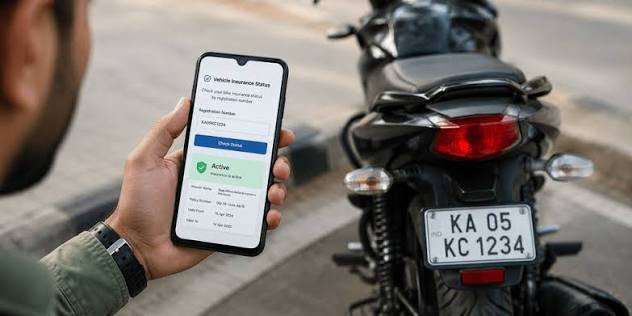
Only third-party bike insurance is mandatory in India. The Motor Vehicles Act requires every two-wheeler on a public road to carry at least a valid third-party liability policy. Comprehensive insurance is optional, but it adds cover for your own bike and is the choice most riders make when they want fuller protection. The sections below explain what each policy covers, how they differ and how to decide.
What Third-Party Bike Insurance Covers
A third-party policy protects you from the legal and financial liability that arises if your bike injures or kills another person, or damages their property.
- Injury or death of a third party caused by your bike.
- Damage to third-party property, such as another vehicle or a wall, up to the limit set under the rules.
- Legal liability arising from the accident.
It does not pay for damage to your own bike, and it does not cover theft or natural calamities. The premium for third-party cover is set by IRDAI, the insurance regulator, and depends on engine capacity. That means the price is the same across insurers for a given bike category, so check the latest rates when you buy.
What Comprehensive Bike Insurance Covers
A comprehensive policy combines third-party liability with own-damage cover. On top of the legal protection above, it generally covers:
- Accidental damage to your bike.
- Theft of the bike.
- Fire and explosion.
- Natural calamities such as floods, earthquakes and storms.
- Man-made events such as riots or vandalism.
It also includes a personal accident cover for the owner-driver, which is itself a compulsory part of the package.
Side-by-Side Differences
- Legal status: third-party is mandatory; comprehensive is optional.
- Own bike protection: none under third-party; included in comprehensive.
- Third-party liability: covered in both.
- Theft and disaster cover: only in comprehensive.
- Premium: third-party is cheaper and regulated; comprehensive costs more and varies by insurer, bike value and add-ons.
- No Claim Bonus: applies to the own-damage part of a comprehensive policy.
What Does the Law Require?
Under the Motor Vehicles Act, riding without valid third-party insurance is an offence. Penalties can include a fine and, for repeat offences, a higher fine or imprisonment, so it’s wise to check the current figures. A valid policy must be carried or available digitally when asked by traffic authorities.
The rules also include a compulsory personal accident cover of ₹15 lakh for the owner-driver, unless you already hold a suitable policy. For new two-wheelers, long-term third-party cover has been mandated, and many insurers sell a package that combines a one-year own-damage plan with a multi-year third-party plan. Ask your insurer for the current package options.
Why Many Riders Choose Comprehensive
A third-party policy fulfils the legal requirement, but it leaves your own bike unprotected. Repairing even a moderate accident, replacing a stolen bike or fixing flood damage can cost far more than a year’s premium. For new or high-value bikes, comprehensive cover is usually the wiser choice. For an older bike with a low market value, some owners keep only the third-party cover, since the own-damage part may not justify the cost.
Add-Ons That Strengthen a Comprehensive Policy
- Zero depreciation: reduces deductions for wear and tear on parts at the time of a claim.
- Engine protection: covers damage to the engine from water ingress or oil leakage.
- Return to invoice: pays the original invoice value if the bike is stolen or totalled.
- Roadside assistance: helps with breakdowns, towing and minor repairs.
- Consumables cover: pays for small items like nuts, bolts and engine oil during repairs.
Add-ons raise the premium, so choose those that match your riding conditions and bike age.
How the Premium Is Decided
For comprehensive cover, the premium depends on:
- The bike’s make, model and age.
- Insured Declared Value, or IDV, which is the insurer’s estimate of the bike’s current market value.
- Your location and the area of use.
- Your claims history and No Claim Bonus.
- Add-ons selected.
A higher IDV raises the premium but also increases the payout in case of total loss or theft.
The No Claim Bonus
If you don’t make a claim during a policy year, you earn a No Claim Bonus, or NCB, which grants a discount on your next own-damage premium. The discount grows with each claim-free year, up to a maximum of 50%. NCB belongs to you, not the bike, so you can transfer it when you change bikes or insurers. Small repairs are sometimes better paid out of pocket to protect your bonus.
Renewing on Time
Letting a policy lapse is risky. If you ride after expiry, you are breaking the law, and any accident would leave you personally liable for third-party costs. A lapse can also cost you your NCB and require a vehicle inspection before renewal. Set a reminder a few weeks before expiry and renew online in minutes.
Tips for Choosing the Right Policy
- Compare quotes from several insurers, looking at coverage and not only price.
- Check the claim settlement record and the network of cashless garages.
- Select an IDV that matches the bike’s true market value.
- Pick add-ons that suit your usage, such as zero depreciation for a newer bike.
- Read the exclusions, such as riding without a valid licence or under the influence of alcohol.
- Keep your documents, such as the registration certificate and licence, ready.
Frequently Asked Questions
Q1. Is comprehensive bike insurance mandatory in India?
No. Only third-party cover is legally required, though comprehensive cover gives broader protection.
Q2. What does third-party bike insurance not cover?
It doesn’t pay for damage to your own bike, theft or natural calamities. It covers only liability to others.
Q3. Is the third-party premium the same for every insurer?
Yes, IRDAI sets the rates by engine capacity, so the third-party part costs the same across insurers.
Q4. Can I buy only own-damage cover?
Yes, if you already have a valid long-term third-party policy, you can buy a standalone own-damage plan.
Q5. What happens if I ride without insurance?
You risk a fine and possible legal action, and you would be personally responsible for any third-party compensation.
Q6. Does comprehensive insurance cover the rider’s injuries?
A compulsory personal accident cover for the owner-driver is included. Pillion rider cover is usually available as an add-on.