Every week, hundreds of Indians in financial distress receive a message on WhatsApp or Telegram that feels like exactly what they need. A simple text, sometimes from an unknown number, sometimes in a group: “Instant personal loan, ₹5,000 to ₹5 lakh, no documents, same-day transfer, low interest.” No bank. No paperwork. No waiting.
For someone who has been rejected by formal lenders, is facing a short-term cash crisis, and doesn’t know where to turn, this message lands with the force of a solution. It is not a solution. It is a trap — and in many documented cases across India, it is the beginning of a nightmare that involves harassment, extortion, public humiliation, and financial losses that dwarf the original loan amount.
Who These Operators Are
Digital loan sharks operating through messaging platforms are not disorganised individuals running small-time schemes. Many operate sophisticated networks — some with international connections — that have built efficient processes for identifying vulnerable borrowers, extracting maximum value, and disappearing before legal action catches up.
They operate in a legal grey zone by design. They are not registered with the RBI or SEBI. They are not NBFCs. They have no physical address, no official documentation trail, and no accountability under any financial regulatory framework. When things go wrong for the borrower, there is no regulator to complain to and often no traceable entity to file a complaint against.
The Typical Sequence of Events
Understanding the mechanics of these operations helps identify the warning signs before any harm occurs.
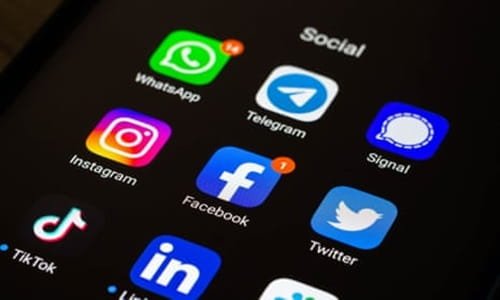
The first contact typically comes through a WhatsApp message, a Telegram group post, or increasingly through fake loan apps promoted through messaging platforms. The promise is always the same — instant funds, minimal documentation, no credit check.
The borrower expresses interest and is asked to submit basic KYC documents — Aadhaar, PAN, a selfie, and phone contacts access. The contacts access request is the critical red flag. Many fake loan apps request permission to access your entire phone contact list during installation. This is not for verification — it is for leverage.
A small loan is disbursed quickly — sometimes ₹3,000 to ₹10,000 — to establish trust. The “interest” charged is typically stated vaguely or obscured in the initial communication. What the borrower discovers on repayment day is that the effective interest rate is 100% to 500% annualised, or that arbitrary fees have been added that triple the repayment amount.
When the borrower protests or cannot repay on the inflated terms, the harassment begins. Recovery agents — sometimes the same operators, sometimes hired third parties — contact every person in the borrower’s stolen contact list, sending messages that the borrower has taken a “fraudulent loan” and is a “criminal.” Morphed photographs with defamatory text are sent to family members, colleagues, and employers. The objective is maximum social pressure and humiliation to force payment regardless of the legitimacy of the demand.
The Human Cost
The consequences of these operations extend far beyond financial loss. Cases of severe psychological distress, social damage to family relationships, job loss, and in extreme cases suicide have been documented across India. NCRB data and media reporting from multiple states show a consistent pattern linking predatory digital lending harassment to mental health crises among victims.
This is not a marginal or theoretical risk. It is a documented outcome of a well-structured criminal ecosystem.
How to Identify a Predatory Digital Lender
Several markers identify these operators before any financial engagement occurs.
Contact through WhatsApp, Telegram, or SMS rather than through a documented website or registered mobile application. No RBI registration number displayed — all legitimate NBFCs and digital lenders must display their registration. Requests for contact list access during app installation. Vague or absent documentation of interest rate, fees, and repayment terms before disbursement. Pressure to decide quickly. Promise of loans despite poor credit history with no income verification — because no legitimate lender can safely offer this.
The RBI maintains a list of registered NBFCs and digital lending platforms on its website. Any lender not on this list should be treated with extreme caution.
What to Do If You’re Already a Victim
Do not pay any amount beyond the principal originally received and legitimate interest. Document all communication — screenshots of every message, call log records, and any payments made. File a cybercrime complaint at cybercrime.gov.in or at your nearest police station under sections relating to extortion and criminal intimidation. Report the app or platform to the Ministry of Electronics and Information Technology through the IT grievance portal.
Contact your bank and inform them of the situation — particularly if your account details have been compromised. If threats are made to your employer or family, inform them proactively so the harassment loses its primary leverage.
Frequently Asked Questions (FAQs)
Q1. How can I verify whether a digital lender is legitimate before applying?
A: Visit the RBI’s official website and check the list of registered NBFCs and RBI-authorised payment system operators. Legitimate digital lenders will also have a physical registered address, a Grievance Redressal Officer contact, and clear terms and conditions on a properly maintained website. Cross-reference the lender’s name on the Ministry of Corporate Affairs portal to verify registration.
Q2. Is it safe to download a loan app from the Google Play Store or Apple App Store?
A: Not automatically. Both stores have hosted fraudulent loan applications in the past, which have since been removed after complaints. Check the app developer’s name, review the permissions requested during installation, read user reviews carefully for harassment-related complaints, and verify the developer’s details against the lender’s official website before installing. If the app requests contact list, media, or call log access, do not install it.
Q3. What legal protection do I have if a predatory lender harasses me?
A: You are protected under multiple legal frameworks. The Information Technology Act covers cybercrime including electronic harassment. The Indian Penal Code covers criminal intimidation and extortion. IRDAI and RBI have consumer protection frameworks for regulated financial institutions. For unregulated operators, filing an FIR with the cybercrime unit is the most effective first response.
Q4. Can I recover money already paid to a predatory digital lender?
A: Recovery is difficult but not impossible. If payments were made through UPI or bank transfer, file a complaint with your bank and request a chargeback or fraud reversal investigation. The cybercrime cell may be able to trace and freeze accounts in active investigation cases. Document all transactions carefully — the more evidence you have, the stronger your complaint.
Q5. Are there legitimate lenders who offer loans with minimal documentation to people with poor credit?
A: Yes. Regulated NBFCs like EarlySalary, KreditBee, and Navi offer small personal loans with streamlined documentation to borrowers with limited credit history — but they display their RBI registration clearly, their interest rates are disclosed upfront, and they do not request contact list access. The difference between a regulated high-interest lender and a predatory operator is transparency, registration, and the absence of harassment-based recovery.