RBL Bank is a private sector bank. It is not a government bank. The Government of India holds no ownership or controlling stake in RBL Bank. The bank is owned by institutional and public shareholders — operating as an independently managed private commercial bank, fully regulated by the Reserve Bank of India, making all its strategic and operational decisions independently without any government direction or control.
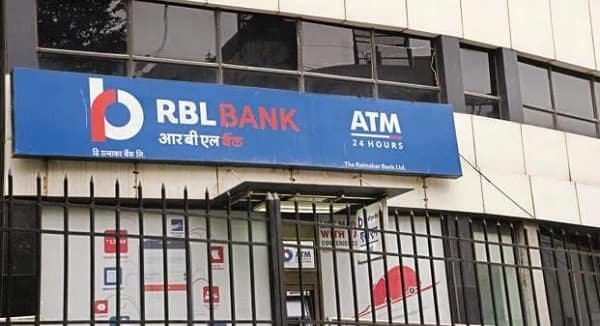
RBL Bank — Quick Overview
| Detail | Information |
| Bank Name | RBL Bank |
| Original Name | Ratnakar Bank |
| Founded | 1943 |
| Origin | Kolhapur, Maharashtra, India |
| Type | Private Sector Bank |
| Headquarters | Mumbai, Maharashtra, India |
| Listed On | BSE and NSE — IPO in August 2016 |
| Regulator | Reserve Bank of India (RBI) |
| Tagline | Apno Ka Bank |
The History of RBL Bank
RBL Bank’s story is one of India’s most remarkable banking transformation narratives — from a small, stagnant regional institution to a nationally recognised modern private bank. The bank was founded in 1943 in Kolhapur, Maharashtra — originally as Ratnakar Bank — a small cooperative-type bank serving the western Maharashtra region with a limited branch network and a modest balance sheet.
For decades, Ratnakar Bank operated as a small, unremarkable regional institution — growing slowly without any significant strategic ambition or technological investment. By the early 2000s, the bank was largely unknown beyond its limited western Maharashtra footprint and was not considered a significant player in India’s banking landscape.
The transformation began in 2010 when Vishwavir Ahuja — a seasoned banking professional with extensive experience at Bank of America and other international institutions — was appointed as the bank’s Managing Director and CEO. Ahuja’s appointment was the turning point that changed everything about the institution.
Under Ahuja’s leadership, the bank underwent a complete strategic, operational, and brand reinvention. The bank was renamed from Ratnakar Bank to RBL Bank — a cleaner, more contemporary brand identity suited to its national ambitions. The bank invested aggressively in technology, talent, risk management systems, and product development — transforming itself from a small regional lender into a competitive, full-service private bank with national presence.
RBL Bank pursued a distinctly focused growth strategy — building particular strength in microfinance, credit cards, business banking, development banking (serving NGOs and social sector organisations), and financial institutions lending. These segments gave RBL Bank a distinctive portfolio mix that differentiated it from generic private banks and allowed it to build specialised expertise.
The bank completed its IPO in August 2016 — listing on BSE and NSE and raising fresh capital to fund its continued expansion. The IPO was a significant milestone that validated the bank’s transformation and provided it with the public market capital and credibility needed to accelerate growth.
Current Shareholding Pattern
| Shareholder Category | Approximate Stake |
| Foreign Institutional Investors | ~30-35% |
| Domestic Institutional Investors | ~28-32% |
| Public and Retail Investors | ~35-40% |
No government entity holds any stake in RBL Bank. The bank has a widely distributed ownership structure — characteristic of a well-governed private institution without a dominant single promoter. This absence of a controlling family or promoter group means RBL Bank is entirely dependent on professional management for its strategic direction.
Key Facts About RBL Bank Today
RBL Bank has grown from its Kolhapur origins into a recognised national private bank:
- Branches — Over 550 branches across India
- ATMs — Over 1,400 ATMs and self-service machines nationwide
- Business Strengths — Credit cards, microfinance, business banking, development banking
- Credit Card Partnership — Strong credit card business including partnerships with Bajaj Finance
- Employees — Over 15,000 employees
- Digital Platform — RBL MoBank and internet banking services
Services Offered by RBL Bank
RBL Bank provides a comprehensive range of banking services for retail, business, and institutional customers. For individual customers, the bank offers savings accounts, fixed deposits, home loans, personal loans, vehicle loans, gold loans, and an extensive credit card portfolio — credit cards remain one of RBL Bank’s most significant and distinctive business segments.
For businesses, RBL provides working capital finance, term loans, trade finance, and cash management. Its development banking division — which serves microfinance institutions, NGOs, and social sector organisations — is a unique differentiator not found in most private banks. This development banking focus reflects the bank’s commitment to financial inclusion alongside commercial banking.
The RBL MoBank mobile app and internet banking platform serve digital customers. The bank is also an active partner for government financial inclusion programmes — PM Jan Dhan Yojana and PM Mudra Yojana — fulfilling its priority sector obligations.
Is RBL Bank Safe for Deposits?
RBL Bank is a fully licensed, RBI-regulated private bank with an improving financial profile following its transformation from Ratnakar Bank. All deposits up to ₹5 lakh per depositor are insured under the DICGC. The bank has faced some asset quality challenges in recent years — particularly in its microfinance and credit card portfolios — which has been reflected in its stock price performance. Depositors are advised to review the bank’s current capital adequacy ratios and financial health, available through its quarterly results, when making deposit decisions.
Frequently Asked Questions (FAQs)
Q: Is RBL Bank private or government?
A: RBL Bank is a private sector bank. The Government of India holds no ownership stake.
Q: What was RBL Bank called before?
A: Ratnakar Bank — the bank was renamed RBL Bank as part of its rebranding and transformation under CEO Vishwavir Ahuja.
Q: When was RBL Bank founded?
A: In 1943 in Kolhapur, Maharashtra — originally as Ratnakar Bank.
Q: When did RBL Bank list on stock exchanges?
A: August 2016 — through its IPO on BSE and NSE.
Q: What is RBL Bank known for?
A: Credit cards, microfinance, development banking, and business banking — particularly following its transformation under Vishwavir Ahuja from 2010.
Q: How many branches does RBL Bank have?
A: Over 550 branches across India.
Q: Is RBL Bank safe for deposits?
A: Yes — RBI-regulated private bank with DICGC insurance up to ₹5 lakh per depositor. Depositors should review current financial metrics before making large deposit decisions.
Q: What is RBL Bank’s tagline?
A: “Apno Ka Bank.”