Few products carry the same universal, joy-triggering appeal as ice cream — it’s one of the rare treats that spans every age group, income level, and occasion, from a hot summer afternoon to a celebratory family dinner. That broad, emotionally positive appeal has made ice cream parlours a perennially attractive small business, but the industry is also crowded, seasonal, and considerably more operationally demanding than scooping cones might suggest.
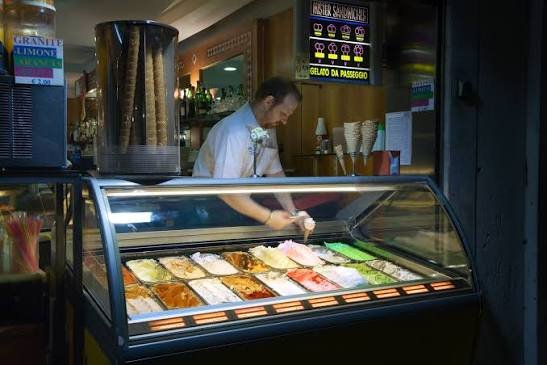
The Advantages
Genuinely Universal, Cross-Generational Appeal
Ice cream is one of the few products that appeals almost equally to children, teenagers, adults, and seniors, giving a well-run parlour access to an unusually broad customer base rather than a narrow demographic niche. This universal appeal, combined with ice cream’s association with celebration and comfort, gives the category a level of built-in emotional demand that many other food businesses simply don’t have.
Lean Staffing Requirements to Get Started
An ice cream parlour doesn’t necessarily require a large team to begin operating — a self-service or smaller shop can run with just one or two employees, while even a typical full-service parlour might only need three or four staff members. This lean staffing model keeps early-stage labor costs manageable compared to more service-intensive restaurant formats.
Multiple Viable Business Formats
This category offers genuine flexibility in how you enter the market. A standalone store, a seasonal outlet operating only during warmer months, a franchise, or even a delivery-focused brand are all legitimate paths, each suited to different capital levels, risk tolerance, and local market conditions. Seasonal operations specifically can reduce costs like utilities and staffing during slower off-season periods, which is a genuine advantage in markets with pronounced weather-driven demand swings.
Reduced Seasonality Compared to Historical Norms
Ice cream was once considered an almost purely summer product, but consumption during colder months has grown noticeably in recent years as consumer habits shift and dessert culture becomes more year-round. This gradual reduction in seasonal dependence helps smooth out what used to be a much sharper revenue cliff during off-peak months.
Genuine Room for Product Innovation and Differentiation
Few food categories offer as much creative latitude as ice cream — new flavors, toppings, presentation styles, and increasingly, dietary-specific options like dairy-free and vegan alternatives, which have surged in demand alongside broader plant-based eating trends. This constant innovation potential gives owners a real, ongoing way to differentiate from competitors rather than relying on a single static product line indefinitely.
Established, Growing Market With Real Scale
The ice cream industry represents a substantial, multi-billion-dollar market with steady projected growth in the years ahead. This isn’t a declining or stagnant category — it’s one with genuine, if modest, forward momentum, giving new entrants a reasonably solid underlying demand foundation to build a business around.
The Disadvantages
Expensive, Essential Equipment Investment
Quality ice cream production and storage equipment — freezers, churns, display cases — represents a genuinely significant upfront cost, and cutting corners here tends to backfire through equipment breakdowns and inconsistent product quality. Purchasing reliable, higher-quality equipment upfront, even at greater initial expense, tends to be a better investment than repeatedly repairing or replacing cheaper alternatives.
A Genuinely Saturated, Competitive Market
The confectionery and frozen dessert space has become considerably more crowded and organized in recent years, moving well beyond the simple roadside cart model of the past into a much more sophisticated, competitive retail category. Standing out requires real market research, a clear understanding of local demand, and genuine differentiation rather than assuming a good product alone will draw sufficient customer traffic in an already saturated space.
Remaining Seasonal Sensitivity, Even If Reduced
Despite growing off-season consumption, ice cream still experiences meaningfully higher demand during warmer months in most markets, and this seasonal swing requires careful planning around staffing, inventory, and cash flow to survive the leaner periods. A parlour that doesn’t plan deliberately for this fluctuation risks financial strain during predictably slower stretches of the year.
Cold Chain and Perishability Management
Unlike many food products, ice cream requires continuous, reliable refrigeration throughout its entire supply chain — any interruption in cold storage, whether from equipment failure or power outages, risks ruining inventory entirely and represents a direct, unrecoverable financial loss. This dependency on uninterrupted refrigeration is a genuinely higher-stakes operational requirement than most other food retail categories face.
Location and Foot Traffic Dependency
Success depends heavily on being positioned where customers naturally gather — busy retail districts, near schools, or tourist areas — and a poorly chosen location can undermine an otherwise strong product and brand. Rent in these high-traffic locations tends to be correspondingly higher, creating a real tradeoff between visibility and overhead cost that requires careful financial planning.
Real Health-Trend Pressure
While plant-based and dietary-specific ice cream options represent a genuine growth opportunity, they also reflect a broader consumer shift toward health-conscious eating that puts real pressure on traditional, higher-sugar and higher-fat ice cream products. Parlours that don’t adapt their menu to include better-for-you options risk losing an increasingly values-conscious customer segment to more forward-thinking competitors.
Weighing It All Together
An ice cream parlour rewards owners who invest properly in reliable equipment and cold-chain reliability, differentiate through genuine flavor innovation and dietary-inclusive options, and plan deliberately for the seasonal cash flow swings the category still carries despite reduced dependence on summer alone. Success depends less on loving ice cream and more on treating it as a genuine, disciplined retail food operation.
The Bottom Line
Ice cream parlours benefit from broad, emotionally resonant demand, relatively lean staffing requirements, and genuine room for creative differentiation in a growing overall market, but they face real competitive saturation, meaningful equipment and refrigeration investment, and seasonal cash flow challenges that require careful planning. Owners who balance product innovation with operational discipline tend to build the most durable businesses in this genuinely appealing but far from effortless category.
FAQs
Q1. How much should I budget for equipment when starting an ice cream parlour, and where shouldn’t I cut corners?
Reliable freezers, churns, and display cases represent a significant portion of your startup budget, and investing in quality equipment upfront tends to save considerably more in the long run than repeatedly repairing cheaper alternatives that break down unpredictably. This is one area where cutting costs early often backfires through lost inventory and inconsistent product quality that directly damages customer trust.
Q2. Is a seasonal ice cream parlour a better business model than operating year-round?
It depends on your local market — seasonal operation works well in tourist areas or locations with strong summer foot traffic and can meaningfully reduce off-season costs like utilities and staffing. That said, year-round operations benefit from consistent customer relationships and steadier cash flow, and growing cold-weather ice cream consumption has made this model increasingly viable even in markets that were traditionally summer-only.
Q3. How can a new ice cream parlour differentiate itself in an already saturated local market?
Genuine flavor innovation, incorporating dairy-free or vegan options to capture the growing plant-based customer segment, and building a distinctive brand identity tend to work better than competing purely on price or offering the same generic flavors as every other nearby shop. Thorough market research into what’s already available locally helps identify a genuine gap rather than duplicating an already crowded offering.
Q4. What happens if my refrigeration equipment fails, and how can I protect against this risk?
A refrigeration failure can ruin an entire inventory of product within hours, representing a direct and significant financial loss, which is why investing in reliable equipment with proper maintenance schedules and having a contingency plan — like a backup generator or an emergency supplier relationship — is worth the additional upfront cost. Treating cold-chain reliability as a core operational priority, rather than an afterthought, protects against one of this business’s most costly potential failure points.