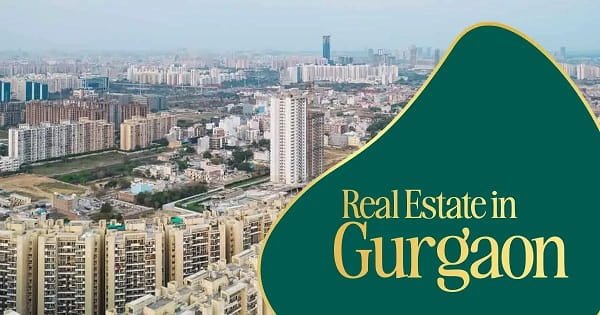
The single most transformative event in Noida’s real estate history since the opening of the Noida-Greater Noida Expressway occurred on March 28, 2026 — when Prime Minister Narendra Modi inaugurated Phase 1 of the Noida International Airport at Jewar. This moment did not create the Noida property story; the story had been building for years through steady infrastructure delivery, expanding corporate employment, and the most dramatic price appreciation in any NCR micro-market over the preceding five years. But the airport’s inauguration crystallised something for the market: the transformation of Noida from Delhi’s eastern satellite into a genuinely self-sufficient metropolitan node is no longer a future prospect. It is a current reality.
Residential queries for the Yamuna Expressway corridor surged 56% in the period immediately following the airport inauguration announcement. Commercial demand in the zone rose 75%. In the six years preceding the inauguration, apartment prices along the Yamuna Expressway rose approximately 158% — from ₹3,950 per square foot in 2020 to approximately ₹10,200 per square foot by 2025. Plots in the same zone appreciated an extraordinary 536% — from ₹1,650 to ₹10,500 per square foot. These are numbers that would seem unbelievable in most Indian real estate contexts. In Noida’s case, they are verified by transaction data.
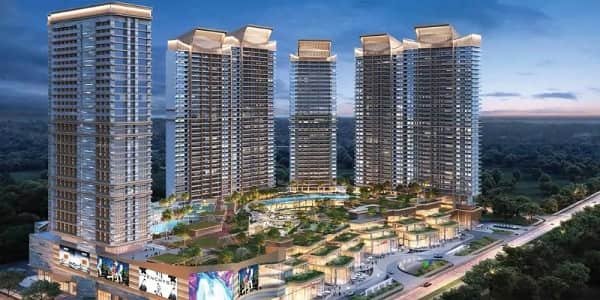
Noida Real Estate Overview 2026
Noida — the New Okhla Industrial Development Authority city across the Yamuna from Delhi in Uttar Pradesh — is India’s highest per-capita income civic body and one of the most systematically planned cities in the country. Its wide six-lane sector roads, regular grid layout, generous green belt allocations, underground utility infrastructure, and dedicated institutional zones for education, healthcare, and commercial activity create an urban environment that younger professionals consistently prefer over Delhi’s chaotic internal layout.
The employment base has diversified substantially from the IT-only profile of the early 2000s. Noida today hosts IT, ITeS, BFSI backoffices, media (Film City and multiple news channel studios), manufacturing (NSEZ), logistics, e-commerce, and an expanding healthcare sector. Major corporate employers including Barclays, Infosys, HCL, and Wipro have significant Noida operations. The commercial corridors in Sectors 62, 63, 132, 137, and 143 along the Expressway provide employment that sustains both rental demand and purchase demand across the city’s residential zones.
Current Market Status: Price Levels and Appreciation Data
Property rates across Noida in 2026 range from ₹7,950 to ₹14,500 per square foot depending on zone and project quality, with premium Expressway-facing sectors and luxury developments commanding higher rates. The ten to twenty-four percent annual appreciation recorded in popular sectors including 74, 150, 94, and the Noida Expressway belt reflects an infrastructure-driven repricing that has been the consistent story of this market since 2019.
Central Noida: (Sectors 41, 46, 49, 70, 73, 75, 76, 77, 78) is the most consistently active residential zone for end-user purchase and rental investment. Affordable entry options in Sectors 41, 46, 49, and 73 hover around ₹5,000 per square foot for older inventory. Sectors 70, 119, and 120 in the mid-income range average ₹5,500 to ₹6,000 per square foot. Luxury projects in Sectors 50, 75, 76, and 78 begin above ₹8,000 per square foot. Sector 77 specifically has seen 14.5% price growth in one year and is increasingly identified as a growth micro-market within the 70s cluster.
Noida Expressway Belt: (Sectors 107, 128, 137, 150) is the premium residential corridor, attracting HNIs and senior corporate professionals who want access to the Expressway and the golf course amenity zone. Sector 150 — designed as the greenest and most premium sector in Noida — has become the most aspirational residential address in the city’s planned zones. Prices in the Expressway’s upscale sectors range from ₹8,000 to ₹14,000 per square foot for new launches, with rentals in Sector 150 having climbed 12% year-on-year.
Greater Noida West (Noida Extension) has seen approximately 98% five-year appreciation — with residential property values reaching approximately ₹8,450 per square foot by end-2024 in certain sectors, representing around 24% annual growth. This makes Greater Noida West one of the NCR’s fastest-appreciating affordable residential zones over the comparable period. It serves the largest first-time buyer segment in the Noida market: working professionals who want quality housing with new social infrastructure at entry prices that remain significantly below central Noida.
Yamuna Expressway: is the corridor most directly transformed by the Jewar Airport inauguration. Land prices near Jewar doubled since 2019. YEIDA residential sectors 18, 20, 22D, and 32 are seeing the highest enquiry volumes of any NCR micro-market in mid-2026. The combination of airport proximity, Film City development in Sector 21, and YEIDA’s Fintech City and SEZ development for Japanese and Korean manufacturing firms creates a structural employment and infrastructure foundation that justifies the corridor’s appreciation rather than explaining it purely as speculative momentum.
The Jewar Airport Effect in Detail
The Noida International Airport Phase 1 — inaugurated March 28, 2026 — is designed to eventually serve 70 million passengers annually at full capacity, making it one of Asia’s largest airports. The Phase 1 commencement is not merely symbolic; it triggers the entire ecosystem of employment, logistics, commercial development, and residential demand that has been anticipated for three years. Aviation-linked industries, logistics parks, data centres, and Film City are all accelerating job creation in the corridor. The shift from speculative momentum to fundamentals-led demand growth — industrial activity, logistics demand, and corporate expansion — is the most important structural change for investors evaluating the Yamuna Expressway belt in 2026.
The price outlook specific to the airport zone: plots are projected to rise approximately 20% in 2026, apartments approximately 25%, with annual appreciation of 12 to 18% sustained by industrial activity and job creation rather than pure airport anticipation.
Infrastructure Catalysts Beyond the Airport
Noida’s infrastructure investment extends well beyond the airport. The Aqua Line metro extension connecting Sector 51 to Knowledge Park V — due in 2026 — increases property values in its influence zone by an estimated 25 to 30% near stations. The Blue Line Botanical Garden extension to Sector 142 further stitches Noida into Delhi Metro’s broader network. The FNG Expressway completion will streamline commutes between Noida, Faridabad, and Ghaziabad. The Ghaziabad-Jewar RRTS, when completed, will reduce Delhi travel time further, making Greater Noida a viable residential address for professionals employed across the NCR.
Rental Market
Rental yields in Noida are improving steadily across well-connected sectors. Sectors 62 and 63 — the primary IT employment corridors — sustain consistent professional tenancy with limited vacancy risk. Sector 150 rentals have climbed 12% year-on-year. Greater Noida West’s expanding professional population is pushing rents upward as new supply is absorbed faster than projects deliver. For investors entering the market in 2026, rental income provides a useful cashflow component alongside the capital appreciation story — unlike Mumbai, where yields rarely justify entry prices on yield mathematics alone.
Forecast: 2026 to 2030
Between 2026 and 2030, property prices in Noida are expected to rise continuously, supported by airport operationalisation, limited prime land supply, the Film City employment generator, expanding metro connectivity, and the progressive delivery of the RRTS network. The 30 to 35% CAGR delivered by select Noida micro-markets over the preceding six years is unlikely to repeat at the same pace — that acceleration was the infrastructure re-rating wave. What follows is a more measured but sustained appreciation story anchored in actual employment creation and fundamentals-driven demand.
For new launches, Noida Expressway prices are projected to reach ₹18,000 to ₹22,000 per square foot by 2026 to 2027. Yamuna Expressway is projected at ₹8,500 to ₹10,500 per square foot over the same period.
Areas to Watch in Noida 2026
Yamuna Expressway YEIDA sectors (18, 20, 22D, 32) for Jewar Airport-linked investment. Sector 150 for premium Expressway residential with proven appreciation. Greater Noida West for affordable entry with sustained absorption. Central Noida Sectors 75 to 78 for end-user residential with rental income potential. Greater Noida’s Alpha, Beta, Gamma, Omega sectors for established residential investment.
FAQs
Q: When did the Noida International Airport open and how is it affecting property prices?
A: Phase 1 of the Noida International Airport at Jewar was inaugurated on March 28, 2026. Residential queries for the Yamuna Expressway corridor surged 56% and commercial demand rose 75% following the inauguration. Over the preceding six years, apartment prices along the Yamuna Expressway appreciated 158% and plots rose 536%. The airport’s operationalisation is shifting the demand story from anticipation-driven to fundamentals-driven appreciation.
Q: Which sectors in Noida are showing the strongest price appreciation in 2026?
A: Sector 150, the Yamuna Expressway YEIDA belt (Sectors 18, 20, 22D, 32), Greater Noida West, and Noida Expressway sectors 107, 128, and 137 are showing the strongest appreciation. Popular sectors including 74, 94, 150, and Noida Extension have recorded 10 to 24% annual growth driven by metro connectivity, expressways, and the airport.
Q: What are current property rates in Noida in 2026?
A: Property rates range from ₹7,950 to ₹14,500 per square foot across Noida’s main zones. Affordable options start from ₹4,500 per square foot in peripheral Expressway sectors. Central Noida’s established sectors average ₹5,000 to ₹8,000 per square foot. Sector 150 and premium Expressway addresses range from ₹8,000 to ₹14,500 per square foot and above for luxury launches.
Q: Is Greater Noida West a good investment in 2026?
A: Yes, for buyers with a five to seven year horizon. The zone has delivered approximately 98% five-year appreciation and continues to show strong end-user demand from families seeking affordable township living with improving connectivity. The Jewar Airport’s operationalisation and metro extensions provide continued structural support for appreciation, though the dramatic five-year CAGR is unlikely to repeat at the same pace.
Q: What is the rental yield in Noida’s prime sectors?
A: Rental yields in Noida’s well-connected sectors average 3.5 to 5.5% depending on location. Sector 150 and IT-employment-linked sectors around 62 and 63 sustain the most consistent tenancy. Greater Noida West is showing improving yields as professional demand for rental accommodation grows with the expanding corporate ecosystem.