The embroidery business is one of India’s most creatively rich and commercially versatile craft-based entrepreneurship opportunities — combining centuries-old textile artistry with modern fashion demand, gifting culture, and the growing market for personalised and customised products. India’s embroidery traditions — from Lucknow’s delicate chikankari to Gujarat’s vibrant mirror work, Kashmiri crewel embroidery, and Phulkari of Punjab — represent both a living cultural heritage and a commercially valuable craft skill that domestic and international markets consistently value.
Whether you are planning a home-based hand embroidery business, a machine embroidery customisation service, or a wholesale embroidered garment supply operation, understanding the complete picture of advantages and disadvantages is essential before investing your time, skills, and capital.
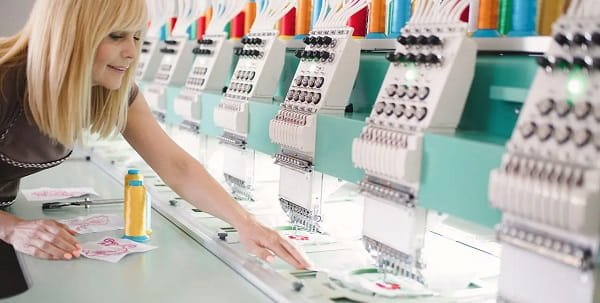
Advantages of Embroidery Business
1. Very Low Startup Investment
Hand embroidery requires minimal startup capital — needles, threads, hoops, fabric, and basic tools represent the complete starting requirement for a home-based operation. A functional hand embroidery business can begin with ₹5,000–₹20,000 — making it one of the most financially accessible manufacturing businesses available. Machine embroidery requires more investment for computerised embroidery machines (₹50,000–₹3 lakhs depending on capability), but even this remains modest compared to most manufacturing businesses. This low entry cost means entrepreneurs can test the market, build a customer base, and develop their portfolio before committing larger capital to growth investment.
2. High Value Premium Products with Strong Margins
Skilled embroidery commands premium prices that reflect both the artistry involved and the time investment required. A hand-embroidered kurta, bridal dupatta, or customised home furnishing piece commands prices 3–5 times the base garment value — delivering gross margins of 50–70% for established embroidery businesses. The customisation and personalisation premium is particularly powerful — monogrammed items, personalised gift pieces, and bespoke bridal embroidery allow pricing based on perceived value and uniqueness rather than commodity market comparison. This margin structure makes even modest production volume commercially meaningful.
3. Strong and Growing Gifting and Bridal Market
India’s embroidery business benefits from two of the most commercially powerful demand drivers in any product category — the gifting market and the bridal market. Personalised embroidered gifts — monogrammed handkerchiefs, embroidered cushion covers, custom home linen — are among India’s most emotionally resonant gifting choices. The bridal market represents the embroidery business’s highest-value segment — bridal dupattas, lehenga embellishments, and occasion wear embroidery pieces command prices of ₹3,000–₹50,000 per item for skilled artisans. Corporate gifting demand for branded embroidered merchandise — caps, bags, and apparel — adds a B2B revenue dimension alongside retail consumer sales.
4. Online and Social Media Market Access
Embroidery is one of the most visually compelling craft products in the online marketplace — detailed photographs of intricate embroidery work generate exceptional engagement on Instagram, Pinterest, and Facebook, creating organic marketing amplification that most product categories cannot achieve at equivalent cost. Platforms like Etsy India, Amazon Handmade, and Instagram Shopping allow embroidery businesses to reach national and international customers from a single home studio — dramatically expanding the addressable market beyond local geography. Many successful Indian embroidery entrepreneurs have built significant customer bases entirely through social media storytelling that connects product artistry with cultural heritage.
5. Skill-Based Differentiation and Niche Positioning
Unlike commodity product businesses where differentiation is primarily price-driven, embroidery businesses can create genuinely unique competitive positioning through specialised skill development. Mastery of a specific traditional embroidery style — authentic chikankari, zardozi, or kasuti embroidery — creates a distinctive brand identity that competitors cannot easily replicate. Skill-based differentiation protects margins, builds reputation through craft community networks, and attracts customers who specifically seek authentic traditional work. The more distinctive and technically accomplished the embroidery style, the more defensible the business’s competitive position.
Disadvantages of Embroidery Business
1. Time-Intensive Production and Limited Scalability
Hand embroidery is extraordinarily time-intensive — a single detailed piece can require 20–100 hours of skilled work, creating a production bottleneck that severely limits the revenue scalable from individual artisan effort. This time constraint means that growing beyond solo production requires either hiring and training additional skilled embroiderers — whose quality must be maintained consistently — or transitioning to machine embroidery that sacrifices the handcrafted premium. Finding, training, and retaining skilled embroidery workers is genuinely difficult in most markets, and quality inconsistency from multiple workers undermines the premium positioning that makes the business economics work.
2. Seasonal Demand Concentration
Embroidery demand is heavily concentrated in festive and wedding seasons — October through March generates the bulk of annual revenue, with summer and monsoon months significantly quieter. Managing cash flow through lean months while maintaining production capability, supplier relationships, and operational readiness for the next peak season requires financial discipline that seasonal concentration makes genuinely challenging. The irregular nature of custom orders adds further revenue unpredictability — a business dependent on a few large bridal orders faces significant vulnerability if those orders are delayed or cancelled.
3. Competition from Machine Embroidery and Imports
The embroidery market faces persistent competitive pressure from machine-produced embroidery that replicates hand embroidery aesthetics at a fraction of the time and cost. Mass-produced machine embroidered garments from Surat and imported embroidered products from China compete directly with handcrafted alternatives at price points that hand embroidery cannot match. Educating customers about the genuine quality and artisanal value difference between hand and machine embroidery requires consistent marketing effort that not all customers reward with willingness to pay the corresponding price premium.
4. Physical Strain and Occupational Health Considerations
Hand embroidery requires prolonged close work involving sustained fine motor effort, poor posture, and eye strain — creating genuine occupational health considerations that affect long-term practitioner wellbeing. Eye strain, neck and back problems, and repetitive strain injuries are common occupational health issues for full-time hand embroiderers. Managing working hours, maintaining proper posture, and ensuring adequate lighting are essential health management practices that owners must implement for themselves and any employees — both for wellbeing and for the sustained production capability the business depends on.
5. Raw Material Quality Dependency
Embroidery quality is fundamentally dependent on thread, fabric, and material quality — substandard threads that bleed colour, fabrics that distort under embroidery tension, or inferior beads and sequins that tarnish create finished product quality failures that damage customer relationships and reputation. Sourcing consistently high-quality raw materials from reliable suppliers requires supplier relationship investment and quality testing discipline. Premium raw material costs add to per-unit expenses that must be recovered through pricing — creating tension between material quality and price competitiveness that requires careful management.
Frequently Asked Questions (FAQs)
Q: Is embroidery business profitable in India?
A: Yes — a skilled embroidery business with strong online presence and bridal or gifting market focus can achieve net margins of 40–60%. Specialised traditional embroidery styles command the strongest premiums.
Q: How much investment is needed to start an embroidery business?
A: A home-based hand embroidery business starts with ₹5,000–₹20,000. A machine embroidery customisation business requires ₹50,000–₹3 lakhs for equipment.
Q: Which embroidery style sells best in India? A: Chikankari, zardozi, and mirror work are among the highest-demand traditional styles. Personalised and customised contemporary embroidery is the fastest-growing modern segment.
Q: Can embroidery business be done from home in India?
A: Yes — home-based embroidery businesses are extremely common in India. No special premises licences are required beyond basic FSSAI equivalent business registration and GST once turnover thresholds are reached.
Q: How do I find customers for an embroidery business?
A: Instagram and WhatsApp marketing, Etsy and Amazon Handmade listings, local boutique supply relationships, and bridal market networking through wedding planners and bridal stores are the most effective customer acquisition channels.