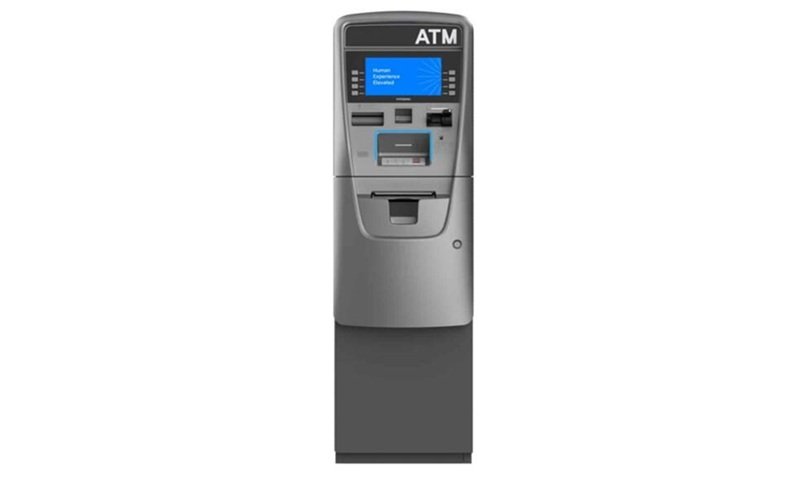
Managing an ATM network involves much more than installing machines and ensuring they dispense cash. Financial institutions and businesses must oversee maintenance, software updates, security compliance, cash replenishment, monitoring, and customer support. As ATM technology continues to evolve, these responsibilities have become increasingly complex. This is why many organizations choose to outsource ATM services to experienced providers who can efficiently manage day-to-day operations.
Rather than allocating significant internal resources to ATM management, outsourcing enables organizations to streamline operations while maintaining reliable self-service banking for customers. From reducing operational complexity to improving service availability, ATM outsourcing has become an effective strategy for institutions seeking greater efficiency and long-term sustainability. Industry research shows that ATM outsourcing helps organizations focus on core business functions while specialized providers handle monitoring, compliance, maintenance, and network management.
What Is ATM Outsourcing?
ATM outsourcing is a service model where a third-party provider manages some or all aspects of an ATM network on behalf of a financial institution or business. Depending on operational requirements, outsourced services may include:
- ATM installation and deployment
- Preventive and corrective maintenance
- Cash management
- Software updates
- Remote monitoring
- Regulatory compliance
- Security management
- Performance reporting
Choosing to outsource ATM operations allows organizations to maintain customer-facing services without managing every technical and operational detail internally.
Why Organizations Choose ATM Outsourcing
Reduced Operational Complexity
Managing multiple vendors for maintenance, software, cash logistics, and compliance can create unnecessary administrative challenges. Outsourcing consolidates these responsibilities under a single service provider, simplifying operations and improving coordination.
Improved Resource Allocation
When organizations outsource ATM management, internal teams can focus on strategic priorities rather than handling technical support, maintenance scheduling, or compliance updates. This allows staff to dedicate more time to customer service and operational improvement. Studies on ATM outsourcing consistently identify improved customer service and greater focus on core business activities as key benefits.
Enhanced Service Availability
Continuous monitoring enables service providers to identify issues quickly and initiate corrective action before problems significantly affect customers. This proactive approach helps improve ATM uptime and reliability.
Services Commonly Included
A comprehensive ATM outsourcing program may include several integrated services.
ATM Monitoring
Remote monitoring systems continuously track machine performance, network connectivity, and transaction activity. Early detection of technical issues allows faster response times and minimizes service interruptions.
Cash Management
Efficient cash forecasting and replenishment help ensure machines remain adequately stocked while reducing unnecessary servicing.
Professional cash management also improves operational efficiency and minimizes cash shortages.
Software Maintenance
ATM software requires regular updates to maintain compatibility, improve performance, and address evolving security requirements.
Service providers typically manage software installation, testing, and ongoing maintenance to ensure reliable operation.
Security and Compliance
Security remains one of the most important aspects of ATM operations.
Organizations that outsource ATM services benefit from providers with expertise in implementing industry security standards, including:
- Encrypted communications
- Secure PIN entry
- Software patch management
- Anti-tampering systems
- Regulatory compliance monitoring
Maintaining compliance with evolving banking and payment network standards helps reduce operational risk while protecting customer information.
Cost Management Advantages
One significant reason institutions outsource ATM operations is improved cost predictability.
Instead of managing multiple vendors, unexpected repairs, equipment upgrades, and software maintenance independently, outsourcing often consolidates these expenses into a more structured operational model.
This approach supports better budgeting while reducing administrative workload. Industry analyses also note that outsourcing can lower operational costs through economies of scale and centralized management.
Scalability for Growing Networks
As organizations expand, ATM networks often require additional machines, relocations, or technology upgrades.
When businesses outsource ATM management, scaling becomes more straightforward because experienced providers can handle deployment, installation, configuration, and ongoing support across multiple locations.
This flexibility allows organizations to respond efficiently to changing customer demand.
Future Trends in ATM Outsourcing
The ATM industry continues to adopt technologies that improve customer convenience and operational efficiency.
Emerging developments include:
- Cardless cash withdrawals
- Contactless authentication
- Real-time performance monitoring
- Predictive maintenance
- Advanced cybersecurity
- Remote diagnostics
Organizations utilizing outsourced ATM management often gain faster access to these innovations through providers that regularly update infrastructure and software.
Conclusion
As ATM operations become increasingly sophisticated, organizations are recognizing the value of delegating technical management to specialized service providers. Choosing to outsource ATM operations can simplify administration, improve operational efficiency, strengthen security, and support consistent customer service through expert management and proactive maintenance. Organizations evaluating long-term ATM solutions should also understand the considerations involved when they decide to buy ATM machine solutions for their operational needs. By carefully evaluating service capabilities, compliance expertise, and long-term scalability, businesses and financial institutions can develop an ATM strategy that supports future growth while maintaining reliable self-service banking.