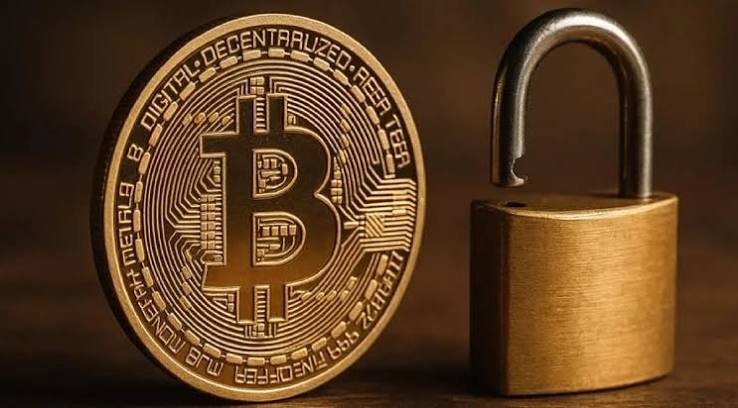
Token unlocks are an important part of cryptocurrency tokenomics, but many investors overlook them when evaluating a digital asset. A token unlock occurs when previously restricted or locked tokens become available for transfer, trading, staking, or other uses according to a project’s predetermined schedule.
Unlocks can increase the circulating supply of a cryptocurrency and may influence its market price. However, an unlock does not automatically mean that the token price will fall. The actual effect depends on the size of the unlock, who receives the tokens, market demand, liquidity, investor expectations and broader market conditions.
Understanding token unlocks can help cryptocurrency investors make better-informed decisions.
What Is a Token Unlock?
A token unlock is the release of cryptocurrency tokens that were previously restricted by a vesting or lock-up arrangement.
When a project launches, not all of its tokens necessarily enter the market immediately. Some may be reserved for:
- Founders and team members
- Early investors
- Venture capital firms
- Advisors
- Community rewards
- Ecosystem development
- Marketing
- Treasury reserves
These tokens may remain unavailable for a specific period. Once the predetermined conditions are met, they become unlocked.
For example, a project may have a maximum supply of 1 billion tokens but initially circulate only 200 million. The remaining tokens could be released gradually over several years.
Why Do Crypto Projects Lock Tokens?
Token locking is generally designed to create a controlled distribution system.
If all tokens allocated to founders and early investors became available immediately, these holders could potentially sell large quantities soon after launch.
A vesting and unlock schedule can encourage long-term participation and reduce the risk of an immediate supply shock.
It also allows projects to distribute tokens gradually as the ecosystem develops.
How Token Unlocks Can Affect Prices
The most important connection between token unlocks and cryptocurrency prices is supply and demand.
When tokens become available, the amount of cryptocurrency that can potentially enter the market increases.
If demand remains strong enough to absorb the additional supply, the price may remain stable or even rise.
However, if the newly unlocked tokens create significant selling pressure while demand remains weak, the price may decline.
Therefore, an unlock itself is not necessarily bearish. The market reaction depends on what happens to the newly available tokens.
Large Unlocks Can Create Selling Pressure
One of the biggest concerns for investors is a large unlock.
Suppose a cryptocurrency has 100 million tokens currently circulating and another 50 million tokens are scheduled to unlock.
The new tokens represent 50% of the existing circulating supply.
If a significant portion of the recipients decide to sell, the additional supply could create considerable selling pressure.
The impact may be greater if the token’s average daily trading volume is relatively low.
This is why investors often compare the size of an upcoming unlock with the token’s current circulating supply and trading volume.
Not Every Unlocked Token Is Sold
It is important to remember that unlocked does not mean sold.
When tokens become unlocked, the holder may:
- Continue holding them
- Stake them
- Use them within the ecosystem
- Transfer them
- Sell part of the allocation
- Sell the entire allocation
Therefore, investors should not automatically assume that every unlocked token will immediately enter the market.
The behavior of token recipients is an important factor in determining the actual market impact.
Who Receives the Unlocked Tokens?
The identity of the recipients can also matter.
An unlock distributed to a large community may have a different market effect from an unlock involving early investors or project insiders.
For example, if tokens are distributed as ecosystem incentives, recipients may use them within the project’s applications rather than immediately selling them.
On the other hand, early investors may have purchased tokens at substantially lower prices and could potentially realize profits after their tokens become available.
This does not mean they will necessarily sell, but the incentive structure is worth considering.
Token Unlocks and Market Expectations
Cryptocurrency markets often react to information before the actual event takes place.
If an upcoming unlock is publicly known, traders may anticipate increased supply and adjust their positions before the scheduled date.
This can sometimes result in price movement before the tokens are actually unlocked.
In other cases, the expected selling pressure may already be reflected in the market price.
This is why investors should avoid assuming that the token will necessarily fall on the exact unlock date.
Gradual Unlocks vs Large Unlocks
The structure of the unlock schedule can influence market dynamics.
Gradual Unlocks
A project may release a small percentage of tokens every month.
Gradual distribution can make the increase in circulating supply more predictable and may reduce the immediate impact of any single event.
Large Periodic Unlocks
Another project may release a significant amount of tokens every six months or once a year.
Large periodic unlocks can attract greater attention because they may introduce substantial additional supply at one time.
Neither model automatically guarantees better price performance. The effect depends on demand and how recipients use the tokens.
How Token Unlocks Relate to Market Capitalization
Investors should also understand the difference between circulating supply and total supply.
Imagine a token trades at $5 and has 100 million circulating tokens.
Its approximate market capitalization would be:
$5 × 100 million = $500 million
If another 50 million tokens are unlocked and the price remains at $5, the circulating supply becomes 150 million.
The theoretical market capitalization at that price would then be:
$5 × 150 million = $750 million
However, this calculation does not predict what the actual price will be. If the new supply creates selling pressure, the token price could change.
What Is a Token Unlock Schedule?
A token unlock schedule provides information about when and how tokens are expected to become available.
A useful schedule may include:
- Unlock date
- Number of tokens released
- Percentage of total supply
- Percentage of circulating supply
- Recipient category
- Vesting period
- Remaining locked tokens
Investors can use this information to identify potentially significant future supply events.
How Investors Can Analyze Upcoming Unlocks
Before investing in a cryptocurrency, investors can examine upcoming unlocks and ask several questions.
How Large Is the Unlock?
An unlock representing 1% of circulating supply may have a very different impact from one representing 30%.
Who Is Receiving the Tokens?
Understanding the recipient category can provide useful context.
What Is the Current Trading Volume?
Large unlocks may have a greater potential price impact when daily trading volume and liquidity are low.
Is Demand Growing?
If network adoption, users and token utility are growing, additional supply may be absorbed more easily.
Are Multiple Unlocks Coming?
A single event may not tell the complete story. Several large unlocks scheduled over the following months could create continuing supply pressure.
Can Token Unlocks Increase Prices?
Yes, although this may seem counterintuitive.
An unlock could have a positive market impact if it supports ecosystem development, staking participation, liquidity or user incentives.
For example, tokens released for ecosystem rewards could encourage greater activity and adoption.
If the resulting demand increases faster than the circulating supply, the token price could potentially rise.
Therefore, investors should examine the purpose of the unlock, not just its size.
Token Unlocks Are Not the Same as Token Burns
Token unlocks increase the amount of previously restricted tokens that can potentially circulate.
A token burn, in contrast, permanently removes tokens from circulation according to the project’s token mechanism.
These two events can have opposite effects on available supply, although their actual market impact depends on the project’s specific tokenomics.
Final Thoughts
Token unlocks can influence cryptocurrency market prices by changing the amount of tokens available to holders and potentially to the wider market.
Large unlocks can create selling pressure if recipients decide to sell substantial portions of their holdings. However, an unlock does not automatically cause a price decline. The actual outcome depends on recipient behavior, market demand, liquidity, trading volume, investor expectations and overall market conditions.
For cryptocurrency investors, it is useful to monitor unlock dates, token quantities, circulating supply, recipient categories and vesting schedules. Comparing an upcoming unlock with average trading volume can also provide additional context.
Most importantly, token unlocks should be treated as one part of cryptocurrency analysis rather than a standalone buy or sell signal. A project with significant upcoming supply can still perform well if demand and adoption grow strongly, while a project with limited unlocks can still decline because of weak fundamentals or broader market conditions.