Building a restaurant in a major city can mean sinking a small fortune into real estate before you’ve sold a single meal. A cloud kitchen skips that entirely — no storefront, no dining room, no host stand — just a kitchen built purely to cook and ship food out the back door. That stripped-down model has made cloud kitchens one of the fastest-growing segments in food service, but running one comes with a genuinely different set of headaches than a traditional restaurant ever had to deal with.
What a Cloud Kitchen Actually Is
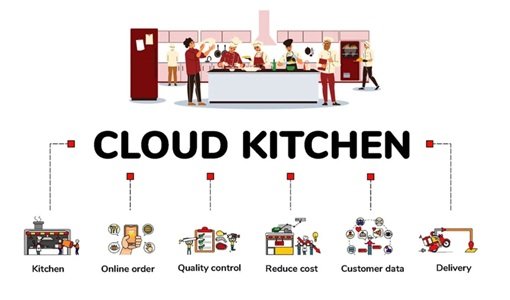
A cloud kitchen — also called a ghost kitchen, dark kitchen, or virtual kitchen — prepares food exclusively for delivery and takeout, with no dine-in space or customer-facing storefront at all. These kitchens typically operate through delivery apps, mobile ordering platforms, and proprietary online systems, often running multiple brands or menu concepts out of a single shared facility to maximize the use of kitchen space and equipment.
The Advantages
Dramatically Lower Startup and Overhead Costs
This is the model’s defining advantage. By eliminating the need for prime real estate, dining space, and front-of-house staff, cloud kitchens require a fraction of the capital that a traditional restaurant needs to open — commonly cited as requiring considerably less investment than an equivalent dine-in restaurant. Shared kitchen facilities further reduce costs tied to utilities, maintenance, and administrative overhead.
Genuine Flexibility to Test and Pivot
Cloud kitchens make it remarkably easy to launch multiple food brands or menu concepts from a single kitchen, letting operators experiment with new products and cuisines without the sunk cost of committing to a permanent physical identity. If a concept isn’t working, pivoting the menu or launching an entirely new virtual brand is considerably faster and cheaper than remodeling or rebranding a physical restaurant.
Real Scalability Without Proportional Cost Increases
Scaling a cloud kitchen typically means renting an additional commercial kitchen space or partnering with more delivery platforms, rather than the far more expensive process of opening new full-service restaurant locations. This structure lets a successful concept expand into new markets with considerably less capital risk than traditional restaurant growth demands.
A Lower-Risk Way to Test a Brand Before Going Physical
For entrepreneurs eventually wanting a dine-in restaurant, a cloud kitchen offers a genuine way to build brand awareness and validate demand in a market before committing to the expense of a permanent physical location. This makes it a legitimate stepping stone rather than just an end destination in itself.
Access to Real-Time Consumer Data
Operating primarily through delivery apps and online ordering systems gives cloud kitchen operators direct access to detailed consumer data — what’s selling, what isn’t, peak ordering times, and customer preferences. This data can directly inform pricing, menu adjustments, and customer service decisions in ways a traditional restaurant, without the same digital touchpoints, often can’t replicate as easily.
Easier Adaptation to Food Trends
Without a printed menu tied to a physical dining room identity, cloud kitchens can add trending dishes or drop underperforming items quickly, responding to shifting consumer preferences with considerably less friction than reprinting menus and retraining front-of-house staff.
The Disadvantages
High Commission Fees From Delivery Platforms
This is arguably the most significant financial challenge in the model. Delivery apps take a substantial cut of every order, and because cloud kitchens depend almost entirely on these platforms for customer reach, this commission structure directly and continuously squeezes already thin margins in a way that a dine-in restaurant with direct customer relationships doesn’t face to the same degree.
Limited Customer Relationship and Brand Control
Without a physical space, cloud kitchens miss out on the direct customer interaction and brand-building opportunities that come from an in-person dining experience. Customers primarily engage through a delivery app’s interface rather than your own branded space, which can limit the kind of loyalty and repeat business that a memorable in-person visit tends to generate.
Heavy Dependence on Third-Party Platform Algorithms
Sales are often closely tied to how well a cloud kitchen ranks on delivery platforms, and that ranking can shift based on factors partly outside the operator’s control — a few bad reviews, even ones caused by a delivery driver running late with someone else’s order, can hurt visibility and sales almost immediately. This creates a genuine vulnerability that traditional restaurants, with their own physical presence and direct customer base, don’t have to contend with in the same way.
Rising Packaging Costs
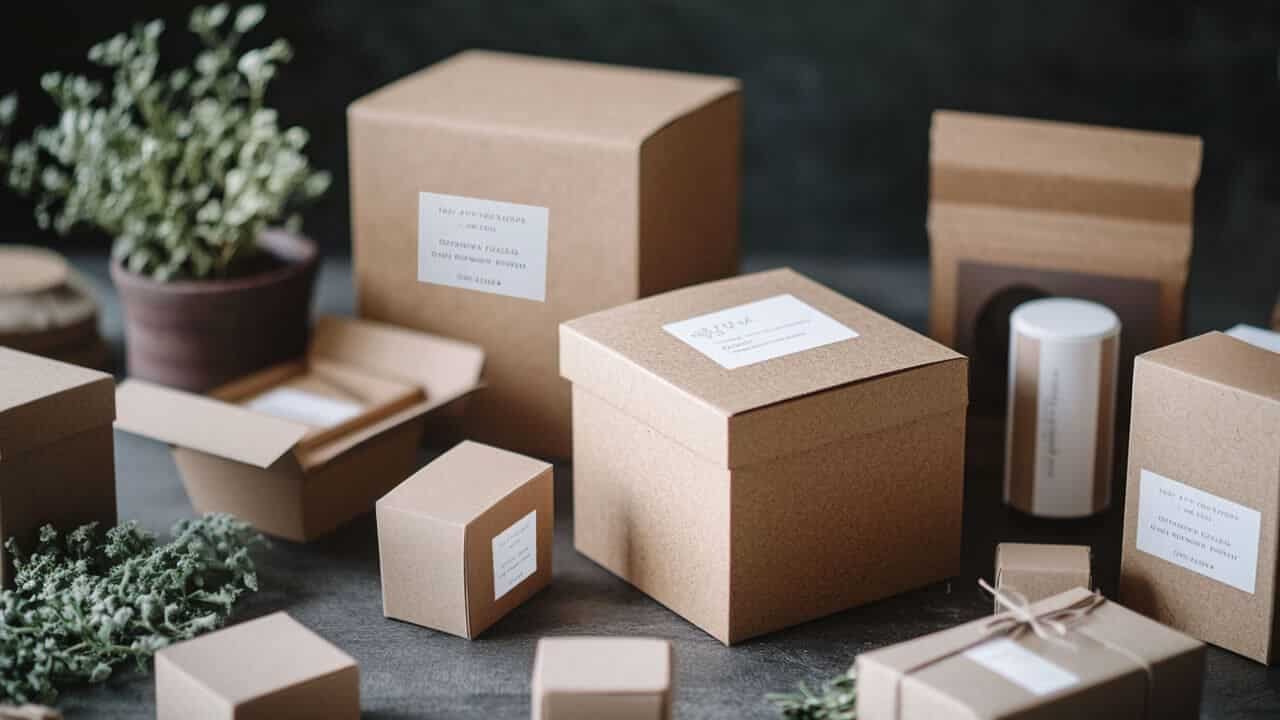
Good, presentable packaging that survives the delivery journey without spoiling the food’s quality is genuinely expensive, and packaging costs have continued rising with broader inflation. This adds a real, ongoing cost pressure that eats directly into per-order profitability, on top of the delivery platform commissions already squeezing margins.
Location Still Matters More Than Many Assume
Despite having no dine-in space, cloud kitchens still depend heavily on being situated near genuine demand density — a kitchen surrounded by a large residential population, office workers, or a college campus can carry the entire business, while a poorly located kitchen struggles regardless of food quality. The absence of a storefront doesn’t mean location becomes irrelevant; it just changes what “good location” means.
Intense Competition and Thin Margins
The cloud kitchen space has grown rapidly and attracted considerable competition, meaning success requires genuinely tight operational execution — efficient kitchen workflows, smart menu engineering for delivery platform visibility, and careful cost control — rather than simply low overhead alone guaranteeing profitability.
Weighing It All Together
A cloud kitchen rewards operators who can manage thin margins skillfully, adapt quickly to delivery platform dynamics, and choose a genuinely high-demand location despite not needing walk-in foot traffic in the traditional sense. It suits food entrepreneurs prioritizing lower startup risk and rapid concept testing over the brand-building depth that a physical dining space provides.
The Bottom Line
Cloud kitchens offer a genuinely lower-cost, more flexible entry point into food service, letting entrepreneurs test concepts and scale with considerably less capital risk than a traditional restaurant demands. That said, heavy delivery platform commissions, limited direct customer relationships, and real dependence on algorithm-driven visibility mean success requires disciplined operations rather than relying on low overhead alone to guarantee profitability.
FAQs
Q1. How do I reduce the impact of high delivery platform commission fees on my cloud kitchen’s profitability?
Building your own direct ordering channel — a branded app or website alongside third-party delivery platforms — can help capture some orders without the commission cut, even if third-party platforms remain your primary customer acquisition channel. Focusing on menu items with strong margins that can absorb the commission structure, rather than thin-margin dishes, also helps protect overall profitability.
Q2. Does my cloud kitchen’s physical location still matter if I have no dine-in customers?
Yes, significantly — being situated near genuine demand density, such as residential areas, office districts, or college campuses, directly affects delivery times, order volume, and overall business viability. A poorly located kitchen, even with excellent food, will struggle with longer delivery times and reduced order volume compared to one surrounded by consistent local demand.
Q3. How can I protect my delivery platform ratings from issues outside my direct control, like late deliveries?
While you can’t control every delivery driver’s timing, ensuring your packaging keeps food quality intact even with some delay, along with clear communication about realistic prep and delivery windows, can reduce the frequency of negative reviews tied to timing issues. Some operators also actively respond to negative reviews addressing the specific issue, which can help mitigate reputational damage on the platform.
Q4. Should I launch multiple food brands from one cloud kitchen, or focus on a single concept?
Running multiple brands from a single kitchen can diversify revenue and let you test different concepts with relatively low additional cost, which is one of the model’s genuine advantages. That said, spreading operational focus across too many concepts simultaneously can strain kitchen efficiency and quality control, so it’s worth scaling into additional brands gradually rather than launching several at once before your operations are solid.