Vegetables spoil. That single, unavoidable biological fact shapes almost everything about running this business — how you buy, how you price, how much you can afford to hold back for tomorrow. It’s a business built on genuinely constant demand, but it punishes hesitation and poor planning faster than almost any other retail category.
The Advantages
Demand That Renews Itself Every Single Day
Unlike many retail categories where a single purchase satisfies a customer for months, vegetables get consumed and repurchased constantly — households need fresh produce every few days, regardless of season, economic conditions, or shifting consumer trends. This creates a genuinely reliable, recurring customer need that few other retail businesses can match in terms of sheer purchase frequency.
Low Product Complexity, Fast Customer Decisions
Vegetables don’t require the kind of complex sales conversations or extended consideration many other products demand. Customers generally know what they want, decisions happen quickly, and transaction sizes are small but frequent — which means a vegetable shop can serve a high volume of customers efficiently without needing extensive staff training or complicated point-of-sale processes.
Strong Foot Traffic and Repeat Visit Potential
A well-located vegetable shop generates genuinely high customer traffic, since fresh produce shopping tends to happen multiple times a week rather than as a rare, planned event. This frequent interaction builds real opportunities for customer relationships and loyalty over time — a regular customer buying from the same shop repeatedly is far easier to retain than one making an infrequent, considered purchase.
Multiple Viable Business Formats
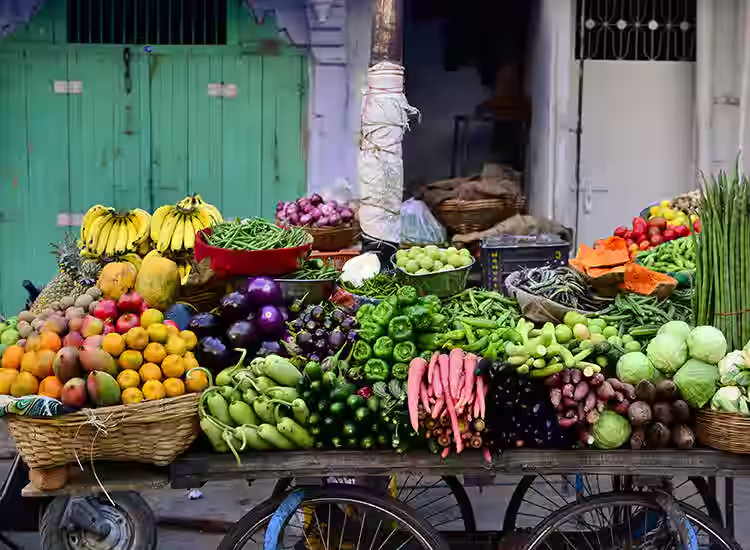
This category isn’t limited to one single business model. Fixed storefronts, roadside stands, farmers market stalls, and increasingly, online ordering and delivery platforms all represent legitimate ways to enter this business, each suited to different capital levels, locations, and target customers. This flexibility lets entrepreneurs start small and scale their format as the business proves itself.
Growing Online and Delivery Opportunities
Online grocery and fresh produce ordering has opened a genuine additional revenue channel beyond the traditional storefront. Digital ordering reduces staffing needs for taking phone orders, cuts down on order-taking errors, and lets customers shop without waiting in line or on hold — creating real potential for increased order volume and repeat business beyond what foot traffic alone could generate.
Opportunity to Differentiate Through Sourcing and Positioning
Sourcing directly from local farmers can offer a genuine competitive edge — supporting the local economy, appealing to increasingly conscious consumers, and often allowing more competitive pricing than relying on longer supply chains. Organic and specialty produce positioning can also carve out a distinct customer segment willing to pay a premium for perceived quality and health benefits.
The Disadvantages
Perishability Creates Constant, Unforgiving Pressure
This is the defining challenge of the business. Unsold produce doesn’t sit patiently in inventory waiting for a buyer — it spoils, and spoiled stock is a direct, unrecoverable loss. This forces constant, careful demand forecasting and tight inventory turnover, since overordering even slightly can eat directly into already thin margins.
Seasonal and Supply Chain Variability
Maintaining a consistent product range throughout the year is genuinely difficult given the seasonal nature of farming and the potential for supply chain disruptions. A shop that can’t reliably stock the specific produce customers expect during certain months risks losing them to competitors or larger grocery chains with more diversified sourcing.
Difficult to Compete Against Established Players
New entrants face a genuine disadvantage against competitors who already have brand recognition, established supplier relationships, and a loyal existing customer base. Winning market share from these entrenched players doesn’t happen automatically — it requires a clear differentiation strategy from day one, whether that’s a specific underserved customer segment, a unique product mix, or a genuinely better location.
Location Constraints Are Considerable
Visibility, foot traffic, and accessibility matter enormously for this business — a location tucked away from pedestrian flow or difficult to reach by common transportation modes will struggle regardless of product quality. Finding a location with the right combination of visibility, accessibility, and reasonable rent is often one of the hardest and most consequential decisions a new vegetable shop owner makes.
Thin Margins That Demand Volume
Fresh produce typically carries relatively thin per-item margins compared to packaged goods or higher-value retail categories, meaning profitability depends heavily on consistent volume and efficient inventory turnover rather than high markup on individual sales. This leaves little room for error in purchasing, pricing, or waste management.
Weather and External Disruption Risk
For market-stall or roadside formats specifically, a single bad-weather day can mean unsold stock that can’t simply be carried over to the next selling opportunity, representing a direct, unrecoverable loss unique to this business model. Even storefront operations remain exposed to broader supply disruptions — a poor harvest season or transportation delays can squeeze both product availability and pricing simultaneously.
Online Operations Carry Their Own Cost Structure
While digital ordering opens new revenue potential, building and maintaining a professional e-commerce presence isn’t free — website development, hosting, and ongoing maintenance add real cost, and delivery logistics introduce transportation expenses that a simple walk-in storefront doesn’t carry. These costs need to be weighed carefully against the additional order volume they generate.
Weighing It All Together
A vegetable shop rewards disciplined inventory forecasting, strong supplier relationships, and a genuinely well-chosen location above almost anything else. It suits entrepreneurs comfortable with thin margins offset by high transaction frequency, and who are prepared to actively differentiate against established competitors rather than assuming steady underlying demand alone will carry the business.
The Bottom Line
Vegetable shops benefit from genuinely constant, recurring demand and multiple viable ways to enter the business, but perishability, thin margins, and location dependency make careful planning considerably more important than the low apparent barrier to entry might suggest. The shops that succeed tend to master inventory discipline and build a clear point of difference rather than relying on demand alone to carry them through.
FAQs
Q1. How do I minimize losses from unsold, spoiled produce as a new vegetable shop owner?
Starting with conservative order quantities based on careful demand tracking, rather than overordering to avoid running out, tends to protect margins better in the early months while you’re still learning your actual customer demand patterns. Building relationships with suppliers who allow smaller, more frequent deliveries also reduces the risk of large batches spoiling before they sell.
Q2. Is it better to start with a physical storefront or an online-only vegetable delivery model?
This depends heavily on your available capital and target customer base — a physical storefront benefits from impulse foot traffic and immediate customer trust, while an online model avoids retail rent but requires investment in website infrastructure and delivery logistics. Many successful vegetable businesses start with one format and add the other once the initial model proves financially sustainable.
Q3. How can a new vegetable shop compete against an established local market or grocery chain?
Identifying a genuine gap the competition isn’t serving well — a specific underserved neighborhood, organic or specialty produce, or simply better freshness and service — tends to work better than trying to compete purely on price or size against established players. A certain level of nearby competition can actually validate that healthy demand exists in the area, so it’s not automatically a reason to avoid a location.
Q4. How much should I budget for the seasonal fluctuations in vegetable supply and pricing?
It’s worth building a financial buffer specifically for months when certain produce becomes scarce or more expensive due to seasonal shifts, rather than assuming consistent costs and availability year-round. Diversifying your supplier relationships and staying flexible about which specific vegetables you emphasize each season can help smooth out these fluctuations rather than being caught off guard by them.