Cryptocurrency trading can move very quickly. Prices may change between the moment a trader places an order and the moment that order is executed. As a result, a trader may receive a slightly different price than expected.
This difference is known as crypto slippage.
Slippage is an important concept for both beginners and experienced cryptocurrency traders. It can reduce trading profits, increase transaction costs and become particularly noticeable when trading volatile or less-liquid cryptocurrencies.
Understanding how slippage works and learning ways to reduce it can help traders make more informed decisions.
What Is Crypto Slippage?
Crypto slippage is the difference between the expected price of a cryptocurrency trade and the actual execution price.
For example, suppose Bitcoin is displayed at $100,000 and a trader places a market order to buy it. Because the market is moving quickly, the order may eventually be executed at $100,100.
The $100 difference between the expected and actual execution price represents slippage.
Slippage can occur when buying or selling cryptocurrencies. It can also be either positive or negative, although traders are generally more concerned about unfavorable slippage.
Why Does Crypto Slippage Happen?
Several factors can cause slippage in cryptocurrency markets.
1. High Market Volatility
Cryptocurrency prices can change rapidly within seconds. During periods of significant price movement, the displayed price may become outdated before an order is executed.
For example, a sudden market announcement could cause a token to move sharply upward or downward. Traders placing market orders during such periods may experience greater slippage.
2. Low Liquidity
Liquidity refers to how easily an asset can be bought or sold without causing a significant price change.
Popular cryptocurrencies generally have deeper liquidity than small or newly launched tokens. A low-liquidity token may have fewer buyers and sellers available at different price levels.
Consequently, a relatively large order can consume available orders and move the execution price.
3. Large Orders
The size of an order can also influence slippage.
Consider an order book where only a limited number of tokens are available near the current market price. If a trader places a large market order, the order may need to match several price levels.
The final average execution price could therefore differ considerably from the price shown when the order was placed.
4. Network Conditions on Decentralized Exchanges
Slippage can work somewhat differently on decentralized exchanges (DEXs).
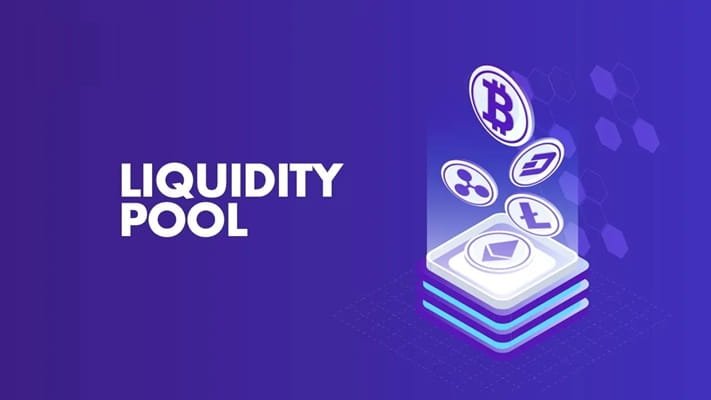
DEX trades often interact with liquidity pools through blockchain transactions. During periods of network congestion, market conditions can change before a transaction is confirmed.
This can make execution less predictable, particularly for volatile tokens.
Positive and Negative Slippage
Slippage is not always unfavorable.
Negative slippage occurs when the trader receives a worse price than expected.
For example, a trader expects to buy a token at $10 but the trade executes at $10.10.
Positive slippage occurs when the execution price is better than expected.
For example, a trader expects to buy at $10 but the transaction executes at $9.95.
However, in practical trading discussions, the term “slippage” is often used when referring to unfavorable price differences.
Slippage on Centralized and Decentralized Exchanges
Slippage can occur on both centralized exchanges (CEXs) and decentralized exchanges.
On a centralized exchange, slippage is often connected to the available liquidity in the order book and the type and size of the order.
On a decentralized exchange, slippage can be influenced by liquidity pool size, token volatility, trading volume and the parameters set for the transaction.
Some DEX interfaces allow users to set a slippage tolerance, which specifies how much price movement they are willing to accept before a transaction is rejected.
What Is Slippage Tolerance?
Slippage tolerance is the maximum price difference a trader is willing to accept for a transaction.
For example, if a trader sets a 0.5% slippage tolerance, the transaction generally needs to execute within the permitted price range. If the market moves beyond that threshold before execution, the transaction may fail rather than execute at a substantially different price.
The exact mechanics can vary between platforms and protocols.
A very low tolerance may cause transactions to fail frequently during volatile markets. A very high tolerance can expose traders to unfavorable execution prices.
Therefore, traders should avoid selecting an unnecessarily high tolerance simply to make transactions execute faster.
How Can Traders Reduce Crypto Slippage?
1. Use Limit Orders
One of the most common ways to control execution price is by using a limit order rather than a market order.
A limit order allows traders to specify the maximum price they are willing to pay when buying or the minimum price they are willing to accept when selling.
However, a limit order may not execute if the market never reaches the specified price.
2. Trade More Liquid Cryptocurrencies
Highly liquid cryptocurrencies generally have more trading activity and deeper markets.
Trading assets with stronger liquidity can potentially reduce the price impact associated with an order.
However, liquidity can vary significantly between exchanges and trading pairs, so traders should evaluate the specific market rather than assuming an asset is always highly liquid.
3. Avoid Extremely Large Market Orders
Large orders can consume available liquidity across multiple price levels.
Instead of placing one very large market order, some traders may divide it into smaller orders. This approach can help reduce immediate market impact, although it does not guarantee better execution.
4. Check the Order Book
Before executing a large trade, traders can examine the order book.
The order book provides information about available buy and sell orders at different prices. A thin order book may indicate that a relatively large transaction could move through several price levels.
Understanding the order book can help traders estimate potential price impact.
5. Be Careful During Extreme Volatility
Slippage can increase when markets move rapidly.
Traders may therefore want to be particularly cautious during major announcements, sudden market crashes, sharp rallies and periods of unusually high volatility.
Waiting for market conditions to stabilize may sometimes provide more predictable execution.
6. Set Appropriate DEX Slippage Tolerance
When using a decentralized exchange, traders should review the platform’s slippage settings before confirming a transaction.
Setting the tolerance too high can increase the amount of price movement accepted by the transaction. Setting it too low, however, may result in failed transactions.
The appropriate setting depends on the asset, liquidity and current market conditions.
Slippage vs Trading Fees
Slippage and trading fees are not the same thing.
Trading fees are charges imposed by an exchange or platform for executing a transaction.
Slippage is the difference between the expected execution price and the actual execution price.
A trader could therefore pay a low trading fee but still experience significant slippage when trading an illiquid cryptocurrency.
For accurate calculation of trading costs, investors should consider both fees and potential price impact.
Why Slippage Matters for Crypto Traders
Slippage becomes especially important for short-term traders because even small differences in execution price can affect profitability.
For example, a trader making frequent transactions may lose a meaningful amount over time if each trade experiences unfavorable slippage.
It is also important when trading smaller cryptocurrencies. A token may appear inexpensive, but limited liquidity can make buying or selling large quantities more expensive than expected.
Final Thoughts
Crypto slippage is the difference between the expected price of a cryptocurrency trade and its actual execution price. It can result from volatility, low liquidity, large orders, order-book conditions and, in decentralized markets, changing blockchain and liquidity conditions.
Traders can potentially reduce slippage by using limit orders, choosing liquid trading pairs, checking order books, avoiding unnecessarily large market orders and carefully managing DEX slippage tolerance.
However, reducing slippage does not guarantee profitable trading. Cryptocurrency markets remain highly volatile, and traders should consider liquidity, fees, market conditions and overall risk before executing transactions.