Many borrowers hesitate before checking their credit score because they assume it might reduce their credit rating. This hesitation is understandable—credit scores feel sensitive, and any action linked to “credit” is often assumed to carry risk.
But in real credit systems, not every check is treated the same way. Some credit inquiries are completely harmless, while others are recorded and analyzed by lenders as part of risk evaluation. The difference between these two determines whether a credit score check impacts your profile or not.
If you want a broader understanding of how credit behavior is interpreted by lenders over time, you can explore how credit score systems evaluate borrower financial patterns and repayment behavior here:
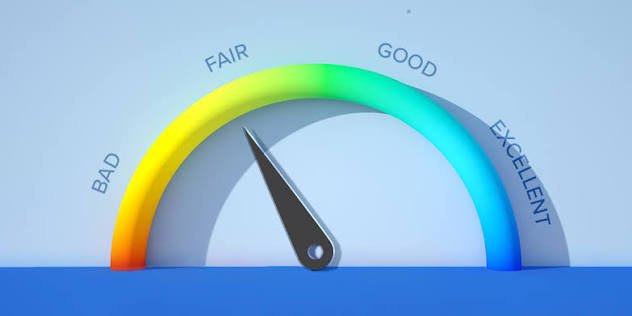
Soft Inquiry vs Hard Inquiry: Why Credit Score Checks Are Not Equal
Credit bureaus categorize every credit-related action into different types of inquiries. The two most important are soft inquiries and hard inquiries.
A soft inquiry happens when your credit report is accessed without a formal loan application. It includes:
- Checking your own credit score
- Pre-approved loan eligibility checks
- Basic financial background checks
A hard inquiry happens when you apply for credit and a lender evaluates your profile as part of the approval process.
Practical lending insight
Soft inquiries are invisible from a risk perspective, while hard inquiries are treated as behavioral signals. Multiple hard inquiries in a short time may indicate urgent credit demand, which lenders often interpret as higher financial pressure.
How Credit Score Monitoring Works Without Any Impact
One of the most misunderstood aspects of credit health is self-monitoring. Checking your own credit score does not reduce it in any way.
When you check your credit report:
- It is recorded as a soft inquiry
- It is not shared with lenders for risk evaluation
- It does not influence loan eligibility
Real-life scenario
A borrower preparing for a personal loan checks their credit score every month to track improvement. Even with frequent checks, their score remains unaffected because self-monitoring is completely neutral in credit bureau systems.
This makes regular monitoring not just safe, but useful for tracking financial progress over time.
When Credit Inquiries Start Affecting Loan Decisions
Hard inquiries only become relevant when you actively apply for credit.
Each hard inquiry signals:
“This borrower is currently seeking additional credit.”
A single inquiry is not a concern. However, multiple inquiries within a short timeframe can create a pattern that lenders may interpret as financial stress or liquidity pressure.
Example from lending behavior
Two borrowers with identical salaries:
- Borrower A applies for one loan
- Borrower B applies to multiple lenders within two weeks
Even if both are eligible, Borrower B may receive stricter evaluation because frequent inquiries can signal unstable credit behavior.
This is where understanding how lenders evaluate personal loan interest rates in India using risk-based models becomes important:
Credit Inquiry Signals Combined with Overall Financial Profile
Lenders do not evaluate credit inquiries in isolation. Instead, they combine them with broader financial indicators such as:
- Credit utilization trends
- EMI repayment consistency
- Debt exposure levels
- Income stability
- Credit history length
Key lending insight
A borrower with multiple inquiries but strong repayment discipline may still be considered low risk, while another with fewer inquiries but unstable credit usage may be rated higher risk.
This is why credit behavior trends matter more than single actions.
Why Monitoring Credit Score Is Actually a Financial Advantage
Regular credit monitoring is often seen as optional, but in practice it helps borrowers make better financial decisions.
It allows users to:
- Track score movement before applying for loans
- Identify sudden drops due to utilization or reporting changes
- Time loan applications more strategically
- Detect errors in credit reports early
Practical example
A borrower notices a dip in their credit score due to high utilization. They delay their loan application by a few weeks, reduce usage, and later secure better approval terms.
This kind of timing awareness can directly influence borrowing outcomes.
Common Mistakes Borrowers Make About Credit Checks
Many users unintentionally misinterpret credit system behavior:
- Avoiding credit score checks completely
- Confusing soft inquiries with risk signals
- Applying to multiple lenders without planning
- Ignoring credit report accuracy
- Checking scores from unreliable sources
The biggest mistake is lack of visibility. Without monitoring, borrowers cannot understand how their behavior affects credit health.
How to Manage Credit Checks Safely and Effectively
A simple approach helps maintain financial clarity without risk:
- Check your credit score monthly or quarterly
- Focus on trends, not daily fluctuations
- Avoid multiple loan applications in a short period
- Monitor credit utilization alongside score changes
- Review credit reports for accuracy regularly
These habits help build a stable financial profile and reduce uncertainty during loan applications.
For borrowers actively planning credit decisions, understanding personal loan eligibility criteria beyond credit score and income is also important:
FAQs
Does checking my credit score reduce it?
No. Checking your own credit score is a soft inquiry and has no impact on your credit rating.
What is the difference between soft and hard inquiry?
Soft inquiries are harmless checks like self-monitoring, while hard inquiries occur during loan applications and are visible to lenders.
How often can I check my credit score safely?
You can check it as often as you want. It does not affect your credit profile.
Do lenders see soft inquiries?
No. Soft inquiries are not used for credit risk evaluation.
Can multiple loan applications affect my credit profile?
Yes. Multiple hard inquiries in a short period can signal higher credit demand and may influence lender decisions.
Conclusion
Credit score checks are a safe and important part of financial awareness when done correctly. Soft inquiries allow users to monitor their credit health without any impact, while hard inquiries are part of the lending evaluation process.
Understanding this difference helps borrowers take better financial decisions, avoid unnecessary fear, and use credit monitoring as a strategic tool rather than a concern.
A well-informed borrower doesn’t avoid credit checks—they use them to plan smarter financial actions and improve long-term credit outcomes.